Categories
AMN mentors Community Talking about Music Vocal and Choral Music Workshops

Meet Song Circle Mentor Cary Sheldon

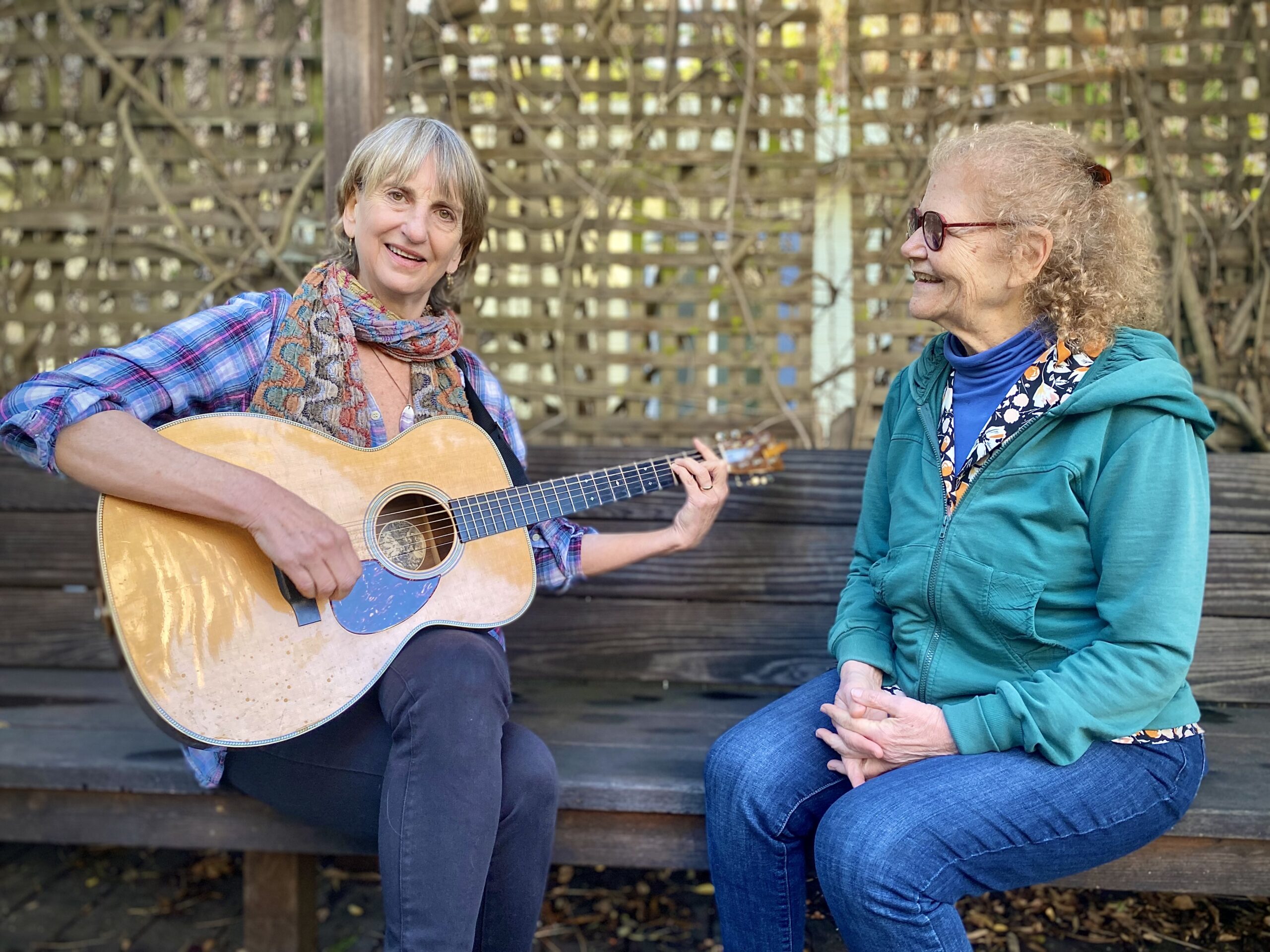
Old friends are the best! AMN’s Lolly Lewis and her long-time pal Cary Sheldon are thrilled to be collaborating on Song Circle, the new online sing-along event premiering Wednesday, March 1, and returning the first Wednesday of April, May, and June.

Cary’s background is as eclectic as her song choices: Growing up in Cambridge, MA, she was surrounded by music of many styles—in her family of devoted music-lovers, at schools that nourished her natural love of performance, and in a community that supported her musical vitality.

Cary and Lolly got together via Zoom recently to talk about the workshop, to which “Everyone is welcome!”

The workshop format is unique. A small group of singers will convene live in Cary’s living room, while everyone else will sing along online. Cary chose the core repertoire from her huge catalog of songs, making sure to include a variety of styles. She also took care to consider accessibility, that the songs would be fun to sing but not too challenging: The idea is to get to the core experience of singing together. For Cary, singing in community is even more gratifying than solo performance. 

Enjoy their whole conversation in this video! 

Cary shares her evolution as a singer.

We both got a little choked up thinking about how so many people have been told they “can’t sing.” Cary testified to how many of her voice students had been told this, only to find their musical identities could bloom with a little bit of encouragement. Being told you can’t sing to being told your voice—and thus your very self—has no worth.

“Everybody’s voice should be heard!” We want everyone to be able sing freely and experience the joy of music in Song Circle.

“It’s all about connection and reclaiming our mutual love for singing around the campfire.”

Judgment-free zone!

So let’s make new friends and keep the old—bring your loved ones, both near and far, to Song Circle on the first Wednesday of the month. See you March 1!

Categories
Community Talking about Music

Share the magic of music

Contribute to a world of shared imagination—in music!

The Amateur Music Network is an open invitation for us all to build human connection through the joy of music. Listening, playing, learning, or sharing music in whatever way you are inspired—the AMN community believes that music changes lives and creates a better world. If you believe that too, and you are able to help us offset the cost of providing workshops at low cost to all who wish to participate, please donate generously today!

As always, we thank you for your support as we continue to offer opportunities for musicians and music lovers everywhere.

Categories
Community Vocal and Choral Music Workshops

Family Sing 2022 with Valérie Sainte-Agathe

Valérie talks about bringing the Martiniquan tradition of Chante Noel to our family and yours!

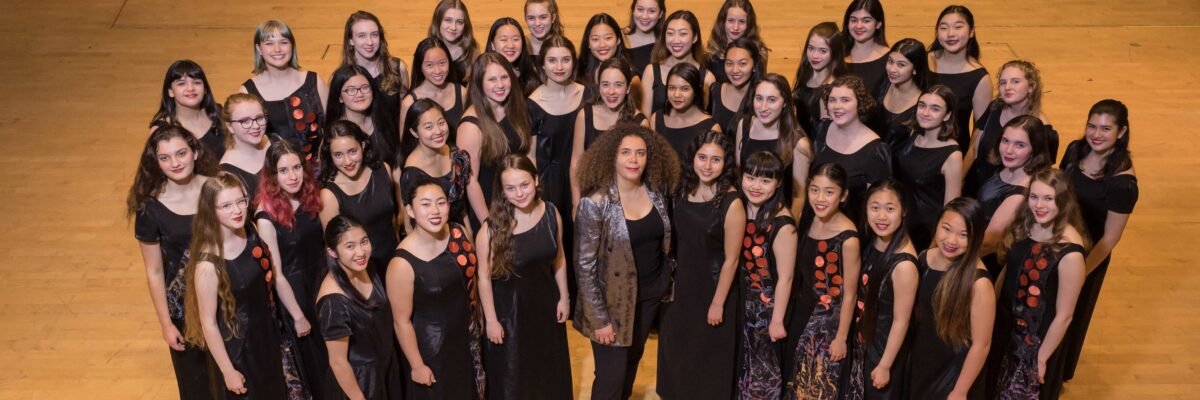
Join us for our second annual FAMILY SING holiday sing-along with the world-renowned San Francisco Girls Chorus!

SFGC Artistic Director Valérie Sainte-Agathe will lead the in-person and online choirs in holiday favorites and new-to-us music that will warm our hearts during the holiday season. Invite your family and friends to attend at the Kanbar Center for the Performing Arts in San Francisco, or sing together online. This is a great way to connect with loved ones who live far away! Invite family and friends from wherever they are to join via Zoom and let the joy of singing together kick off the holiday season. 

Attend online or in-person at Kanbar Center
44 Page Street, San Francisco

IN PERSON: Adults $25, youth ages 10-18 $12.50
IN-PERSON FAMILY PACKAGE: Bring the whole family for $50
ONLINE ONLY: $15

Categories
Chamber Music Community Talking about Music

Music for the Love of It

Below is a guest contribution by violinist Joel Epstein, author of the new book Music for the Love of It: Episodes in Amateur Music-Making. 

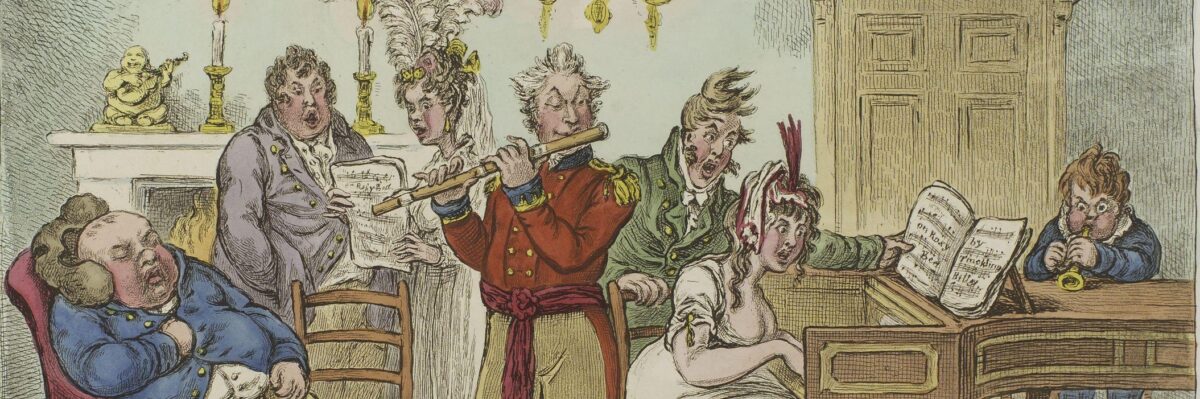
The illustration above is a cartoon by James Gilray from the late 18th century called “A Little Music, or the Delights of Harmony.” It illustrates one of the recurring themes of the book—that, while in society women may have been subordinate, in the music salon they were more than equals.

As an amateur violinist, I feel—and, I think, most of us feel—that I am carrying on a great tradition reaching back hundreds of years. A few things inspired me to explore that tradition, an exploration which eventually culminated in my book Music for the Love of It: Episodes in Amateur Music-Making.

The first thing that tickled my interest was the dedication on the title page of the Brahms string quartets opus 51: “To Theodor Billroth.” The name was vaguely familiar but I wasn’t sure who Theodor Billroth was. A quick check of Wikipedia revealed that he was a leading physician, an amateur violist, and an intimate friend of Brahms. In a used bookstore I found a collection of Billroth’s and Brahms’s correspondence, which provided a fascinating insight into the composer’s creative mind and the key role the amateur violist played.

The second thing was Cobbett’s Cyclopedic Survey of Chamber Music. This two-volume tome from 1929 I also found in a used bookshop. It is far more than an encyclopedia—it is one man’s personal encomium to the wonders of chamber music. The world of chamber music, Cobbett wrote, “…was an art for which I had a definite affinity. It is not an exaggeration to say that there opened out before me an enchanted world into which I longed to gain an entrance.” The encyclopedia was, like all encyclopedias, erudite, comprehensive, and written by leading experts in the field; on the other hand, it was filled with Cobbett’s own expressions, very personal and very eloquent, of his love for the glories of chamber music.

One thing led to another, and I found myself delving into other episodes of amateur music-making in history: the pivotal role of women in promoting amateur music in America; the brass band movement in Britain, which began as an attempt by moralists and by industrialists to use music to reform retrobates and to quell labor unrest in the coal mines and textile mills of Britain, and ended up as a mass musical movement that swept the country; the romance of Russian Jews of the early 20th century with the violin. In the end, it all started to fit together into a coherent story about the very tradition that we all feel to be our joyful duty to sustain.

The views and opinions expressed in this blog post are those of the author, and do not necessarily reflect the views or positions of AMN. 

Categories
Community Composers Jazz and Beyond - Non-Classical Music Vocal and Choral Music Workshops

Juneteeth Choral Celebration

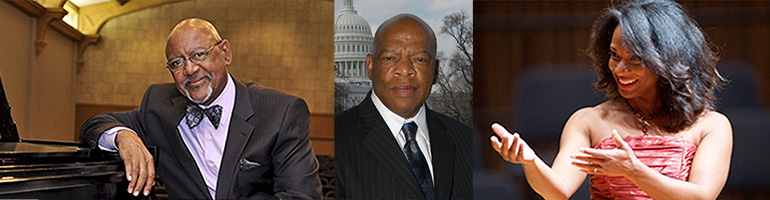
Don’t miss our second annual JUNETEENTH choral celebration, led once again by the wonderful Candace Y. Johnson. If you attended her Spirituals workshop last year, you’ll remember what a joyous occasion it was to sing Moses Hogan’s arrangement of Deep River on the first Juneteenth federal holiday. This June 19, Candace will lead us in singing a new work by Roland Carter, the esteemed choral composer and conductor whose arrangement of Lift Every Voice and Sing has become the iconic version of the Black national anthem.

Carter’s new work Make Some Noise, Get in Trouble honors the great civil rights leader John Lewis who admonished us to get in “good trouble, necessary trouble.” The piece draws its text from Congressman Lewis’s speeches.

It’s a first for AMN: we’re very excited to be part of a commissioning project to perform a new work. And in this case, it’s a project that’s totally aligned with AMN’s values of community participation, amateur music-making, and honoring our diverse American musical heritage. This exciting project was coordinated by the national choral advocacy organization Chorus America.

In a recent conversation over Zoom, Candace and Roland met with AMN founder Lolly Lewis to discuss the piece and the upcoming workshop. Candace noted that she heard a particularly fluid, almost river-like character in one of the sections of the music. Roland noted that yes, in fact he referenced the Spiritual Wade in the Water in that section. “I always like to quote a Spiritual if I can. One that has meaning, not just any Spiritual, but it has to reflect the text and it becomes an important part of what I do,” he explained. “Doing art songs – and I call my solo Spirituals art songs because I like the play of the piano with the voice – is all about the interpretation of the words.”

Listen to Candace and Roland’s discussion about the music and how to interpret the details of this new piece that incorporates traditional choral singing with elements of gospel and even hip-hop! And then join us on June 19 to lift our voices in a Juneteenth celebration of America.

Make Some Noise, Get in Trouble!