Categories
AMN mentors Community Workshops

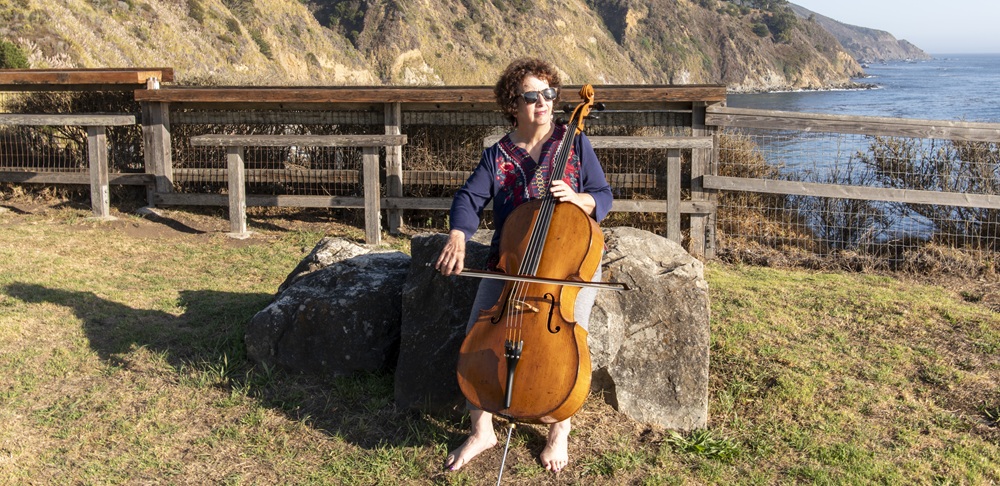
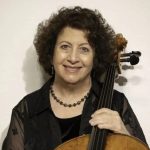
Meet Barbara Bogatin, cellist and meditation teacher

There is so much serendipity in the music world! AMN’s Lolly Lewis worked with San Francisco Symphony cellist Barbara Bogatin during the Community of Music Makers program (2011-2016), when Barbara was one of the many generous mentors who coached community chamber musicians in workshops at Davies Hall.

It was only later that Lolly found out about Barbara’s “side hustle” as a meditation teacher, and that Barbara has been guiding artists of all skill levels to finding more ease and musical freedom through her innovative programs in the techniques of “mindfulness meditation “tailored especially for creative musicians.

That’s why it felt like a perfect fit when Jazzschool director Lisa Mezzacappa reached out to discuss whether AMN might want to partner in creating a mindfulness series at the Jazzschool. Lolly jumped at the chance to connect them, and to reinforce through this workshop that music can transcend all boundaries of genre.

Lolly spoke to Barbara about this work and  how she envisions the upcoming workshops.
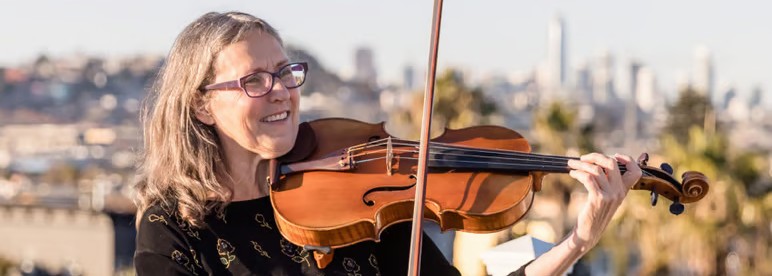
I’m fascinated by the idea of meditation and mindfulness being applied to musicianship. Can this be used as a practical technique or is it more a philosophy about music? Or both?
 
People often think of “meditation” as a way to “chill out” or get into some kind of “bliss state”—but really what we’re doing in Mindfulness Meditation is cultivating the skill of paying attention, to our minds, our bodies, our breath, and the sounds we create on our instruments. There are definitely very practical ways that learning how to better focus our minds and stay present with each moment can help our music making!  This is what I’ll be teaching. 
 
Can meditation help me be a better improviser?
 
Imagine if you had a reliable method to get right into the flow and feel connected to the musicians in your group, with no obstacles to your own creativity—something we all strive for in our playing! The practice of meditation can help us quiet our inner critic and just enjoy the music that comes out, whether improvised or written down.
 
What will the sessions be like? Will we all just be sitting silently for an hour? 
 
Ha, definitely not sitting silently for an hour! I’ll be sharing my own struggles as a busy freelance cellist before I joined the San Francisco Symphony, how I never felt I was “good enough” and stressed that I didn’t have enough time to practice. My first insight meditation retreat forty years ago opened my eyes to the complementarity between music practice and meditation practice. I learned how to find a calm center within myself that allowed me to decrease my performance anxiety, discover how to practice more effectively, and experience more joy in playing music. This is available to anyone who takes the time to practice. I’ll be leading several short guided meditations and there will be plenty of time for sharing reflections and questions in the group.
 
Will there be some music involved?
 
The first workshop on Nov. 8 will be me teaching the basic elements of Mindfulness Meditation. I’ll talk about the specific ways it has helped me, particularly for calming concert nerves and staying connected to the emotions in the music as I play it. After I lead some short meditation segments I’ll explain some exercises to take home. At the second workshop on Nov. 15, I’ll focus on how meditation can inform our instrumental practice, and people can bring instruments if they choose to explore some of these concepts together in real time. Expect some learning and laughter, with a sprinkling of silence. 

AMN is looking forward to it! We hope to see you there.

To learn more about the workshop, go to https://amateurmusic.org/info/workshop/mindfulness/.

To learn more about Jazzschool, go to https://jazzschool.org/.

Categories
Chamber Music Community Workshops

Meet Matilda Hofman & Left Coast Chamber Ensemble

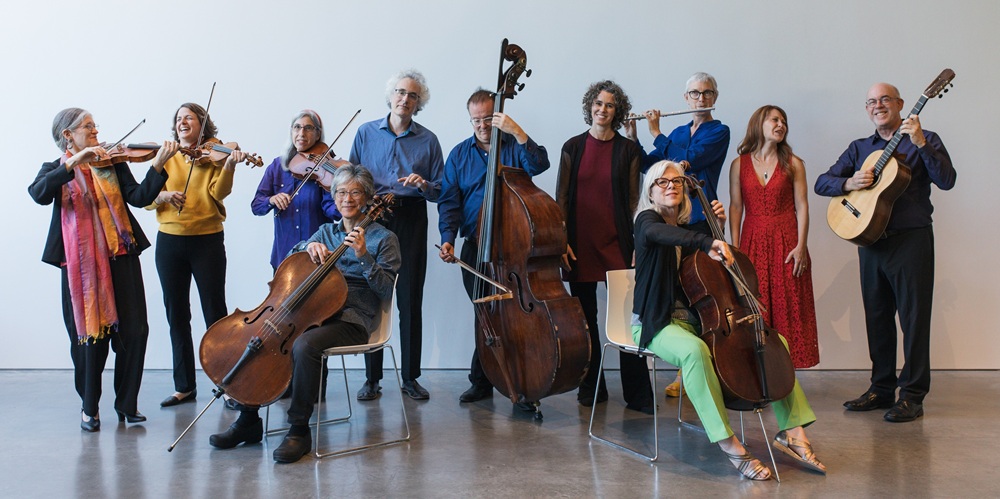
Since 1992, San Francisco’s LEFT COAST CHAMBER ENSEMBLE has beguiled local audiences with exceptional performances and extraordinary programming. Their unique structure—LCCE is a collective of some of the Bay Area’s most admired musicians—allows them to present a broad range of repertoire in varied instrumentation. LCCE is committed to shining a light on emerging composers and the music of our time as well as presenting thrilling performances of the traditional chamber music we all love. 

AMN was delighted when the opportunity arose to collaborate with Left Coast in creating a special event that brings community musicians together with adventurous composers in a live performance as part of LCCE’s annual festival. 
AMN’s Lolly Lewis spoke with Left Coast Artistic Director Matilda Hofman about the project and about her vision of music that creates an authentic connection with the community. 

Left Coast is committed to working with emerging composers and presenting high-quality performances of new and experimental works. Why is this so central to your mission?

It’s so exciting to be part of the process of a new work coming to life. In this concert the musicians will be even more involved in the creative process, as two of the works include improvisation. Hesam Abedini will be creating Crossing 3 with the musicians in real time, through the rehearsal and performance process, while Brittany Green’s score offers a lot of creative choices to the performers.

Music is never finished, it’s constantly changing. As performers, we can look to the future in bringing new voices to life, at the same time as we bring our deep personal instincts to bear on the music of the past, and strive to make it new again. This living continuum of musical evolution is where LCCE is at home. Working with the music of today and the composers of tomorrow enhances our vision of what excellence is and how classical music is genuinely part of the community, not isolated from it.

I love that Left Coast is never just one thing. Some of your ensemble members are renowned Early Music specialists, and others are orchestra musicians in some of the Bay Area’s top ensembles. How do you program for a “consortium” with its wide range of interests and instruments?

LCCE can perform in many different instrumental combinations, which opens a wealth of sound worlds and musical possibilities. Composers are able to write for combinations which don’t typically get as much attention. We perform new works alongside music from the past, which creates fresh perspectives for both the old and new music. 

Because our programming calls on such an unusual variety of instrumentation, we can create opportunities for our artists who have busy schedules with other ensembles to participate in extraordinary chamber music with reliable partners they know and have affinity with. That way the musical level stays very high and we can create programming in a nimble and responsive way.

LCCE has an ongoing relationship with talented new composers through your composition contest program. I know it must be life-changing for these young composers to hear their own music played with such respect and sincerity by fine professional artists. But how does it affect those artists to play the music of talented young composers who are still in a formative phase?

One thing we do at LCCE is to really go into depth with every piece we work on and perform. We love to work with composers and create a space where they can develop their voices. We work to give every piece we perform the time it deserves: the musicians really absorb the music over time. 

In the upcoming concert, how do you imagine the interaction with community musicians in the context of new music will inform and amplify the musical meaning of the works? Tell us something about what you anticipate for this collaboration.

Both Brittany and Hesam are established early career composers. Trey is an emerging composer who is a real talent to look out for. It is so exciting to be part of the process of music coming into being for young composers and to work with composers over time. It is great to have a musical relationship which can evolve and grow.

MAPS will be, among other things, a sonic journey through the beautiful Maybeck-designed church (First Church of Christ, Scientist, in Berkeley). It will be a thought-provoking musical exploration of the nature of borders and boundaries.

Two of the works involve improvisation: the performers also become part of the creative process of the work. We hope the interaction of the community musicians and the creative impulse of these wonderful composers will spark a stronger connection with new music in all their lives.

Plus, this is not your typical full-length concert: it will be about one hour of music followed by coffee and refreshments—perfect for a Saturday morning. We hope everyone onstage and in the audience will genuinely feel part of a special one-of-a-kind music experience and we hope to see you there!

AMN hopes so too. Thank you, Matilda, and thanks to LCCE!

To learn more about this collaboration and to apply to participate, go to https://amateurmusic.org/info/workshop/leftcoast2027/.

APPLICATION DEADLINE OCT 31!

Categories
Chamber Music Community

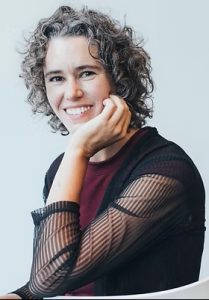
Meet Katrina Wreede, CMC Chamber Music Coordinator

Since coming to Community Music Center, Katrina (Katie) Wreede has been working to create “joyful, student-centered music experiences to develop skills and solid musicianship so anyone can discover their own unique musical voice.”

She finds that working with adult amateur musicians is both challenging and rewarding. Challenging, because as mature music-lovers, they have developed sophisticated assessments of what they most admire in the artists they listen to, and often feel the disappointment that they aren’t up to the task of playing that way. That self-judgement is just baked in, and can get in the way of the joy and fulfillment that chamber music offers us. But this same discernment brings incredible satisfaction when players “find their groove” together, and meet in a realm of mutual musical support; they have a common goal of discovery, exploring the essence of a composition, and they transcend their personal limitations to become something new—together. 

How did your relationship with Community Music Center develop, and how did you end up focusing on chamber music?

I started at CMC about 20 years ago with a one-year composer in residence grant. I was embedded with a YMP (Young Musicians Program) ensemble each week, and we collaborated on a piece they performed at the final concert called “A Mini Burrito Kind of Thing.” After the grant was completed, I was asked to stay on as regular YMP faculty and just never left. Over that time, I’ve taken on additional teaching and coordinator roles like Young Musicians Program Coordinator, Chamber Music Coordinator and Director of Camp CMC, all of which bring great satisfaction because of the people I get to work with, and the joy of watching people learn and create something that would never have existed but for them being themselves in that moment. 

As a coach working with adult chamber musicians, what concepts are most important for you to share with your students?

My two priorities when coaching adult musicians are to collaborate with them to create a supportive learning situation together and to help each individual improve their technique and listening skills so everyone leaves a coaching session happy to have spent time together and feeling like a better musician than when they arrived.  Adult musicians can bring years and years of experience and knowledge to a chamber group or they may have just started lessons as a new hobby and are wanting to try it with other people.  It’s important to me that each group is balanced so that people are comfortable making mistakes and feel appropriately challenged in a fun, achievable way.  At the end of a quarter, everyone should feel ready to put some music out into the world at one of our recitals, playing alongside their new friends.

As CMC’s Chamber Music Program Coordinator, what have you seen as the reason why students choose to study chamber music at CMC and how does the faculty help them move to the next level with their music?

The CMC Chamber Music Program offers different ensembles for different skill levels and a coaching faculty who have wide experience with diverse instrumentation, chamber repertoire and ability levels.  Players come back quarter after quarter because they find satisfaction in the support and guidance they receive from their coach, the friends they make and the variety of times and locations available.  The faculty members are all long-time professional chamber musicians themselves, and they know the musical and personal ins-and-outs of making chamber music work. 

Speaking of long-time professional chamber musicians, I know you are that! Would you speak to your own experiences playing chamber music, and how that translates into being a mentor?

For me, chamber music is the ultimate way to make music with other people.  It can be an intense kind of joyous self-discovery, a wonderful social outlet and a challenge to play your very best because other people are counting on you.  This holds true for every level of playing, and I love introducing people to their first chamber experience as well as making space for players who already know what’s what and just want to have a regular place to meet others, get some new ideas and make great music.

Tell us how the program works. As a prospective student, how will I find my group?

It’s a very hands-on process. CMC’s Adult Chamber Music program provides weekly coaching for everyone, from first-time players to highly experienced instrumentalists in trios through sextets, in two locations in San Francisco. Ensembles are formed based on skill level, musical tastes, instrumentation and schedules. I work with every incoming student to get the best placement and match people with their best partners. Several weeks before each quarter, an email goes out to the entire chamber email list (join the list here). It describes the 15 or so ensembles available for the quarter, with times, locations, specific instrument openings, anticipated levels and coach’s name (coach bios are available at www.sfcmc.org). It’s a first-come, first-placed system with a little nudging to get it exactly right. Groups are distributed across the Richmond District Branch and the Mission Branch for each quarter. Piano spots are in high demand, but there are opportunities for 4-hand piano, too.  

After looking at these openings, contact me and I will fine tune your placement in order to approve your registration, which you can complete through the CMC registrar at your preferred branch. Coaches and students work together to plan the repertoire for the quarter, and players are encouraged to make suggestions. Each quarter, there are opportunities for a recital performance that’s open to the public. Some players switch ensembles or take a quarter or more off. Some stay together for many quarters to work on more difficult repertoire. 

CMC’s adult chamber music program is an excellent way to reconnect with the music you love, enjoy meeting and playing with other passionate musicians or even learn to play with other people for the very first time.

Categories
Community Jazz and Beyond - Non-Classical Music Talking about Music Vocal and Choral Music Workshops

Sharing the Tradition

June is African-American Music Appreciation Month and AMN celebrates that Black music is the foundational American music. The centuries-old tradition of singing spirituals has imbued our culture with its fundamental musical character, spreading into the blues and jazz of the early 20th century and beyond, to inspire folk songs, protest songs, and popular music of all kinds. African-American music also excited classical music composers like Dvořák and Debussy, not to mention our home-grown classical artists like Gershwin and Bernstein, inspiring them to incorporate the melodies and rhythmic ideas of Black music into the broad European tradition.

So should all Americans, and non-Americans, too, be able to learn this music and participate with joy in singing spirituals? It seems simple—and yet…

Some of us feel sensitive about these boundaries, and personally I don’t want to misstep. Does it appropriate someone else’s culture to love singing this music? Can those of us outside the tradition join with our fellow Americans in this fundamentally joyous experience without taking anything away from the personal histories of the enslaved people and their descendants who created this music? 

I stopped by the rehearsal for AMN’s Song Circle session featuring Cary Sheldon and Dr. Candace Y. Johnson, and I got to hear them running through the traditional spirituals that we’ll be singing on June 7, and also at AMN’s 3rd annual Juneteenth Choral Celebration on June 19.

We took a quick break to talk for a moment about spirituals, our deep connections to this music, and how we can honor this musical tradition with humility and respect, and with the joy and love that it naturally brings. 

Enjoy this engaging conversation that affirms our love for the music and for singing it together!

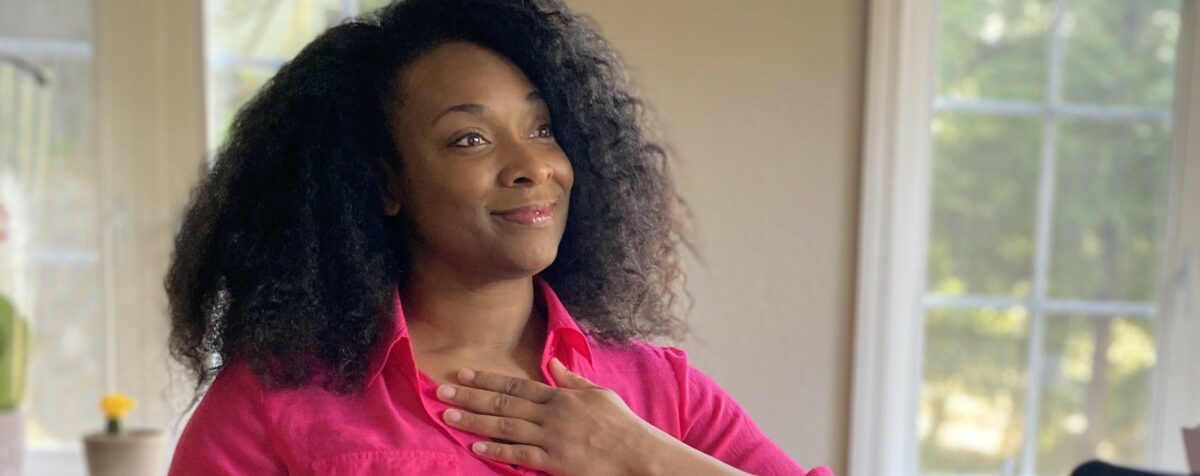
Soprano Candace Y. Johnson, DMA, has been on the voice faculty at the University of California-Berkeley since 2009, teaching applied voice classes and a musicology course she designed based on her research and performance of works by African-American composers.

Lolly Lewis is the founder of Amateur Music Network.

June 2023 events with Amateur Music Network

June 7: First Wednesdays Song Circle with Cary Sheldon

June 19: Juneteenth Choral Celebration with Candace Johnson and Kev Choice

Categories
AMN mentors Community Talking about Music Vocal and Choral Music Workshops

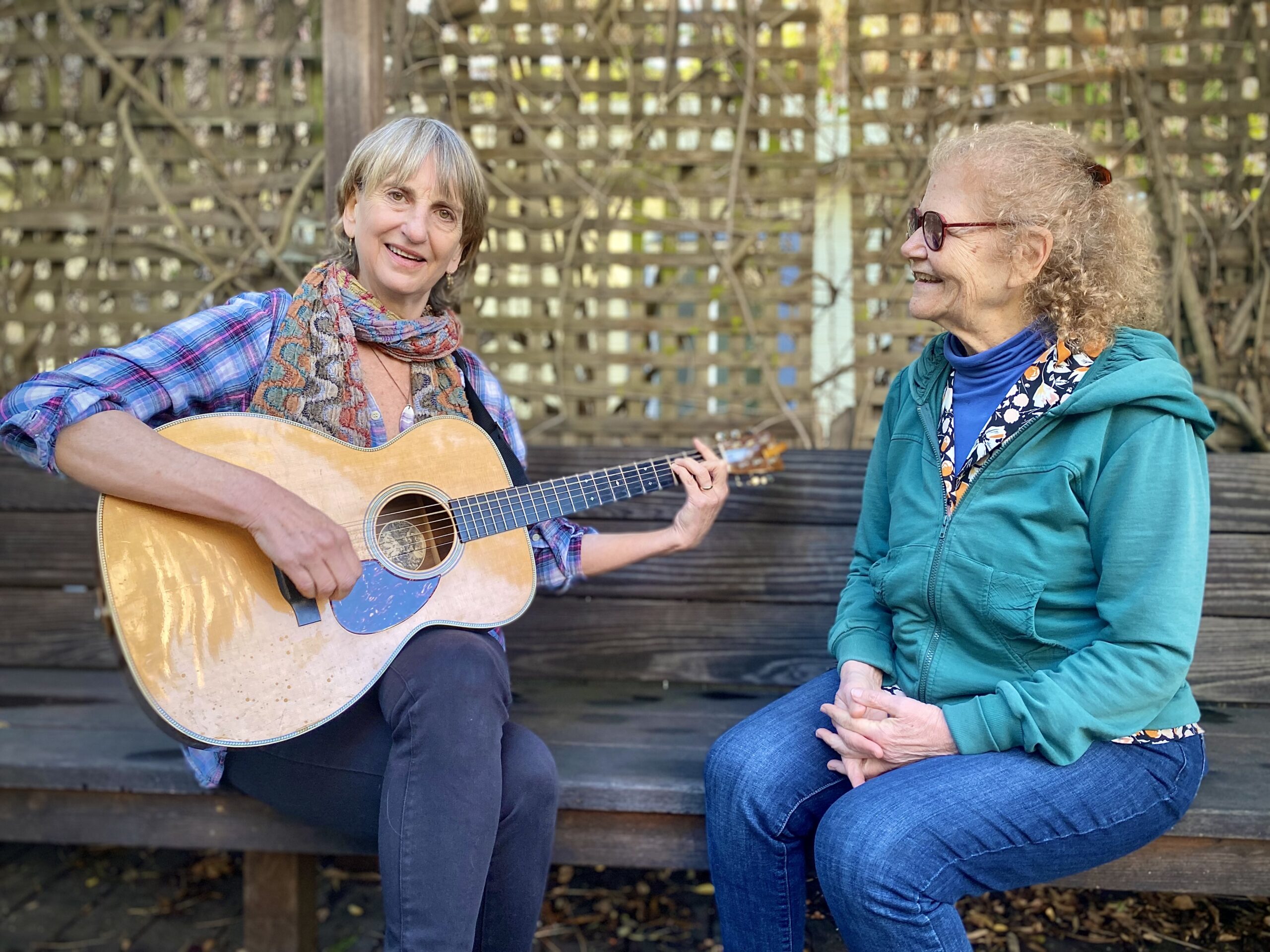
Meet Song Circle Mentor Cary Sheldon

Old friends are the best! AMN’s Lolly Lewis and her long-time pal Cary Sheldon are thrilled to be collaborating on Song Circle, the new online sing-along event premiering Wednesday, March 1, and returning the first Wednesday of April, May, and June.

Cary’s background is as eclectic as her song choices: Growing up in Cambridge, MA, she was surrounded by music of many styles—in her family of devoted music-lovers, at schools that nourished her natural love of performance, and in a community that supported her musical vitality.

Cary and Lolly got together via Zoom recently to talk about the workshop, to which “Everyone is welcome!”

The workshop format is unique. A small group of singers will convene live in Cary’s living room, while everyone else will sing along online. Cary chose the core repertoire from her huge catalog of songs, making sure to include a variety of styles. She also took care to consider accessibility, that the songs would be fun to sing but not too challenging: The idea is to get to the core experience of singing together. For Cary, singing in community is even more gratifying than solo performance. 

Enjoy their whole conversation in this video! 

Cary shares her evolution as a singer.

We both got a little choked up thinking about how so many people have been told they “can’t sing.” Cary testified to how many of her voice students had been told this, only to find their musical identities could bloom with a little bit of encouragement. Being told you can’t sing to being told your voice—and thus your very self—has no worth.

“Everybody’s voice should be heard!” We want everyone to be able sing freely and experience the joy of music in Song Circle.

“It’s all about connection and reclaiming our mutual love for singing around the campfire.”

Judgment-free zone!

So let’s make new friends and keep the old—bring your loved ones, both near and far, to Song Circle on the first Wednesday of the month. See you March 1!